


Chwilkę...
Some dog breeds, due to their anatomy, are prone to various health problems. These include brachycephalic breeds, which are characterized by a flattened, short muzzle and a square skull. It is these characteristics that have led to the development of brachycephalic syndrome (BOAS) in these breeds. Breeds particularly at risk include pugs, shih tzus, Pekingese, Shar Peis, French and English bulldogs, and boxers.
Brachycephalic syndrome is a series of defects, such as malocclusion, an enlarged tongue, an elongated soft palate, narrowed nostrils and trachea, and swelling of the tissues around the larynx. Dogs with BOAS have difficulty breathing, which may be symptomatic of:
● loud breathing, wheezing,
● snoring during sleep, apnea,
● breathing through an open mouth, yawning,
● shortness of breath (especially after physical exertion), coughing,
● frequent sneezing,
● reflux, gagging, vomiting after meals,
● low exercise tolerance, rapid fatigue,
● intolerance to high temperatures,
● loss of consciousness, fainting,
● blue discoloration of the tongue and gums.
If you notice any worrying symptoms that may indicate that your dog is suffering from brachycephalic syndrome, you should visit your veterinarian immediately. Book an appointment now!
Effective treatment of brachycephalic syndrome must be preceded by a detailed diagnostic process. At the Szmaragdowa Clinic, we perform comprehensive tests to quickly diagnose BOAS, such as:
● clinical examination,
● radiographic examination,
● endoscopic examination,
● anterior and posterior rhinoscopy, rhinomanometry,
● gastroendoscopy,
● oscillometry,
● blood tests (alkalosis in blood gas analysis).
BOAS treatment can be divided into conservative and surgical treatment. Surgery is usually required in moderate to severe cases. It may include nostril correction (rhinoplasty), tracheal correction, shortening of the soft palate (palatoplasty), removal of laryngeal pockets or tonsils.
Conservative treatment is recommended when symptoms are very mild. It involves the administration of anti-inflammatory drugs and bronchodilators, which facilitate airflow through the airways and aid breathing. An important part of conservative treatment is also preventing your dog from becoming overweight or obese, avoiding overheating and adjusting physical activity to your pet’s abilities. However, in most cases, surgery is necessary to restore your pet’s quality of life.
Ignoring the symptoms of BOAS and postponing a visit to the vet can have serious health consequences. In addition to significantly reducing your dog’s daily comfort, in extreme cases it can even lead to death.
One of the most dangerous consequences of untreated brachycephalic syndrome is hypoxia, caused by prolonged breathing disorders. Others include sleep disorders, overheating, heat stroke, fainting, loss of consciousness, chronic respiratory inflammation, permanent respiratory abnormalities, and cardiovascular problems. Unfortunately, the cute appearance and growing popularity of brachycephalic breeds do not serve them well. When taking care of such a dog, it is important to remember the health problems and conditions it will have to face throughout its life.
It is worth mentioning that the first symptoms of brachycephalic syndrome can appear in dogs as young as a few months old, and downplaying them increases the risk of complications.
Brachycephalic syndrome can be dangerous to your dog’s health and even life. Don’t delay your visit to the vet and expose your pet to discomfort and suffering when the first symptoms appear. Our clinic employs experienced and qualified specialists who diagnose and treat BOAS in dogs.
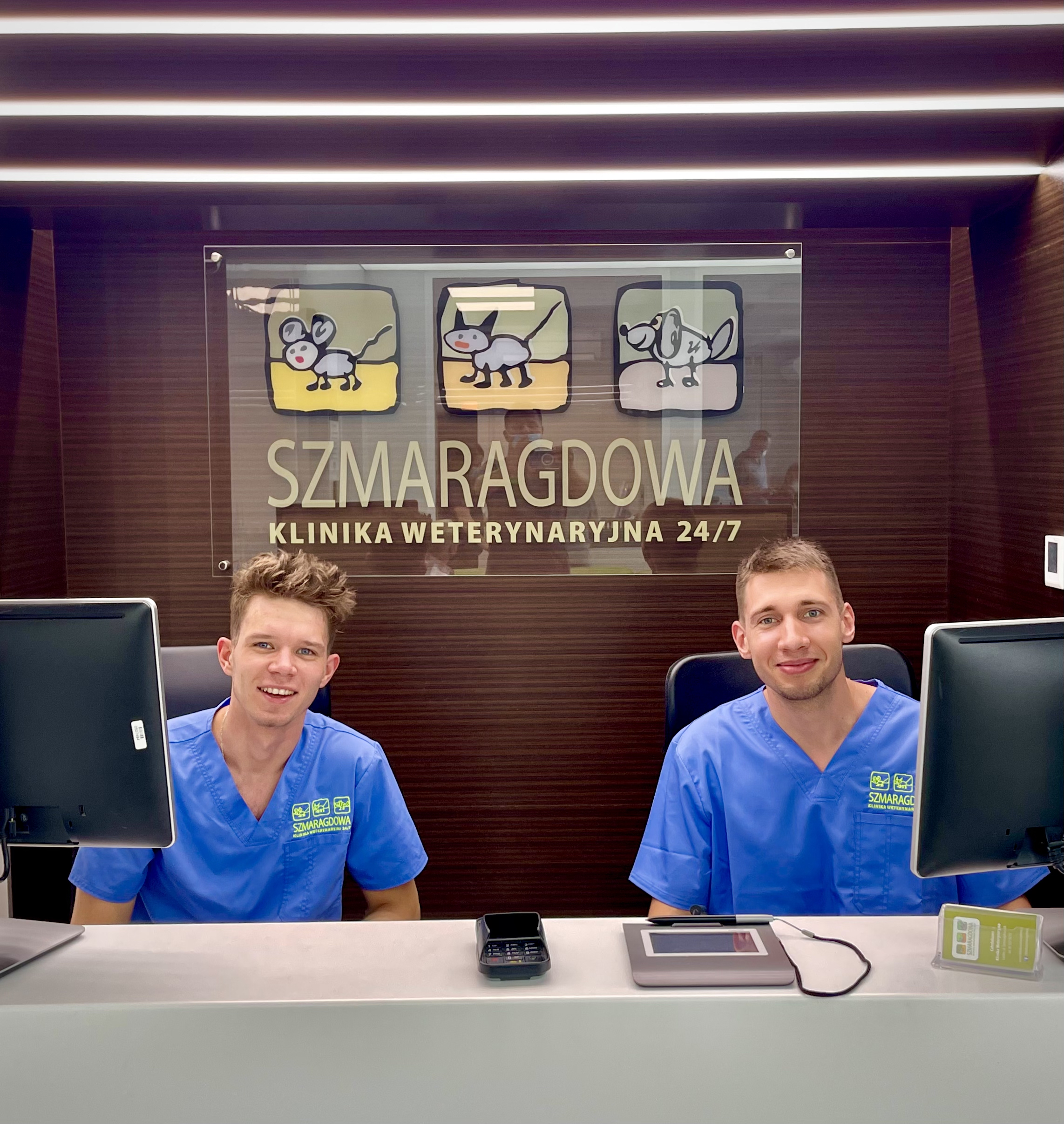
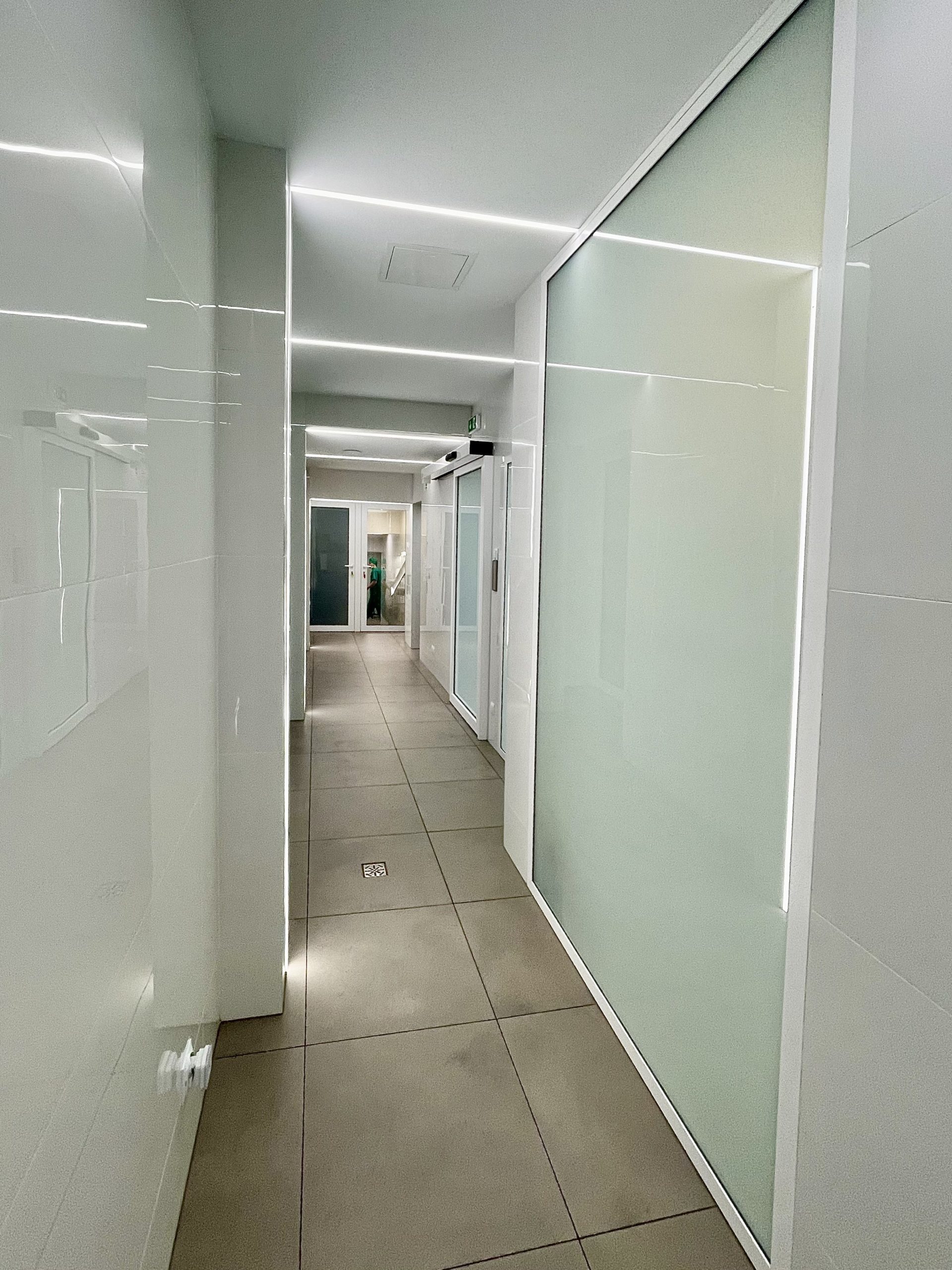
We have modern offices, laboratories, diagnostic facilities, a hospital ward, and top-of-the-line equipment. This allows us to provide comprehensive veterinary services for pets.
We invite you to schedule an appointment!